Map the outlets
List computers, cameras, access points, AV devices, and future connection points. Agree on where each cable should start and end.
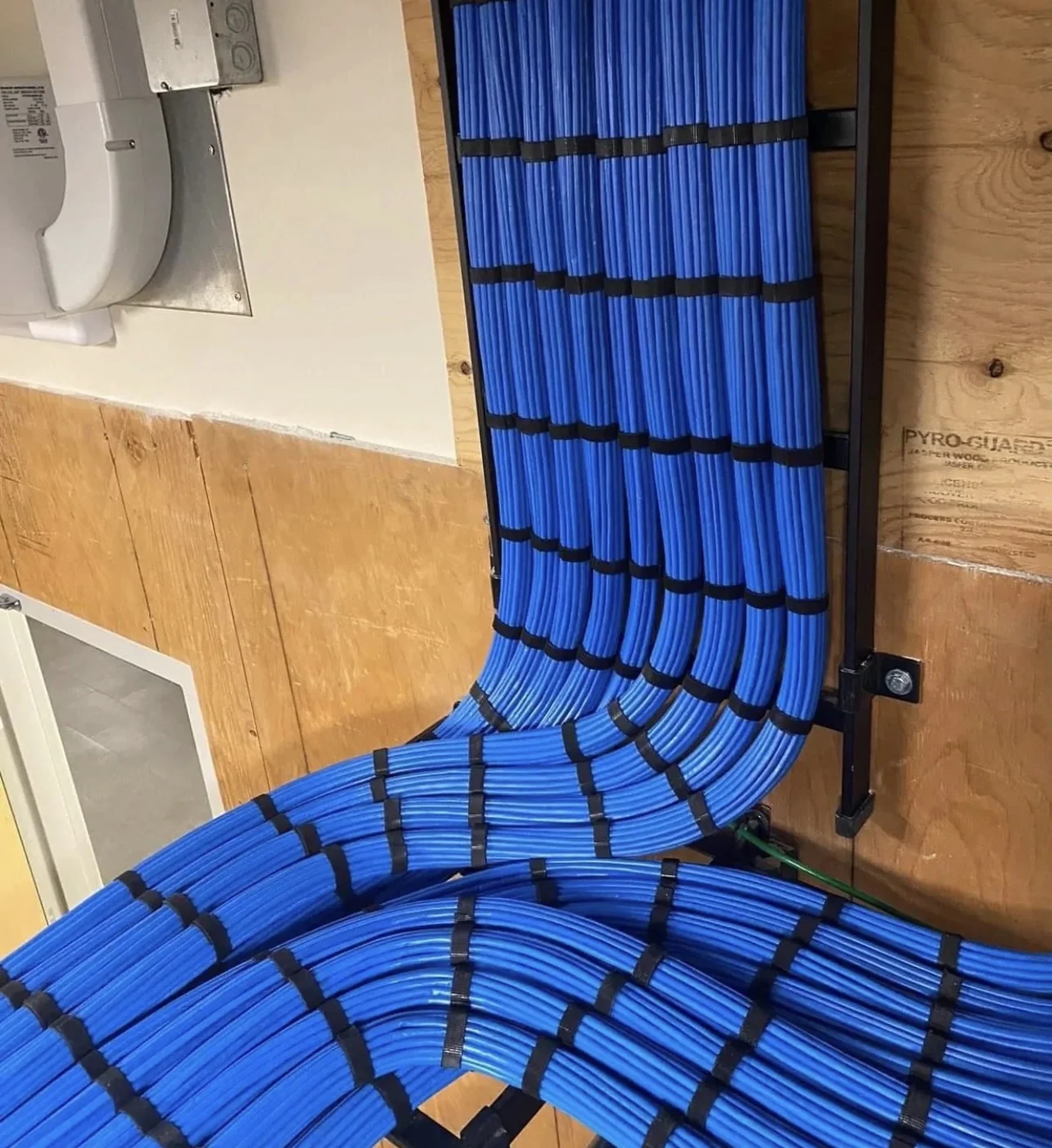
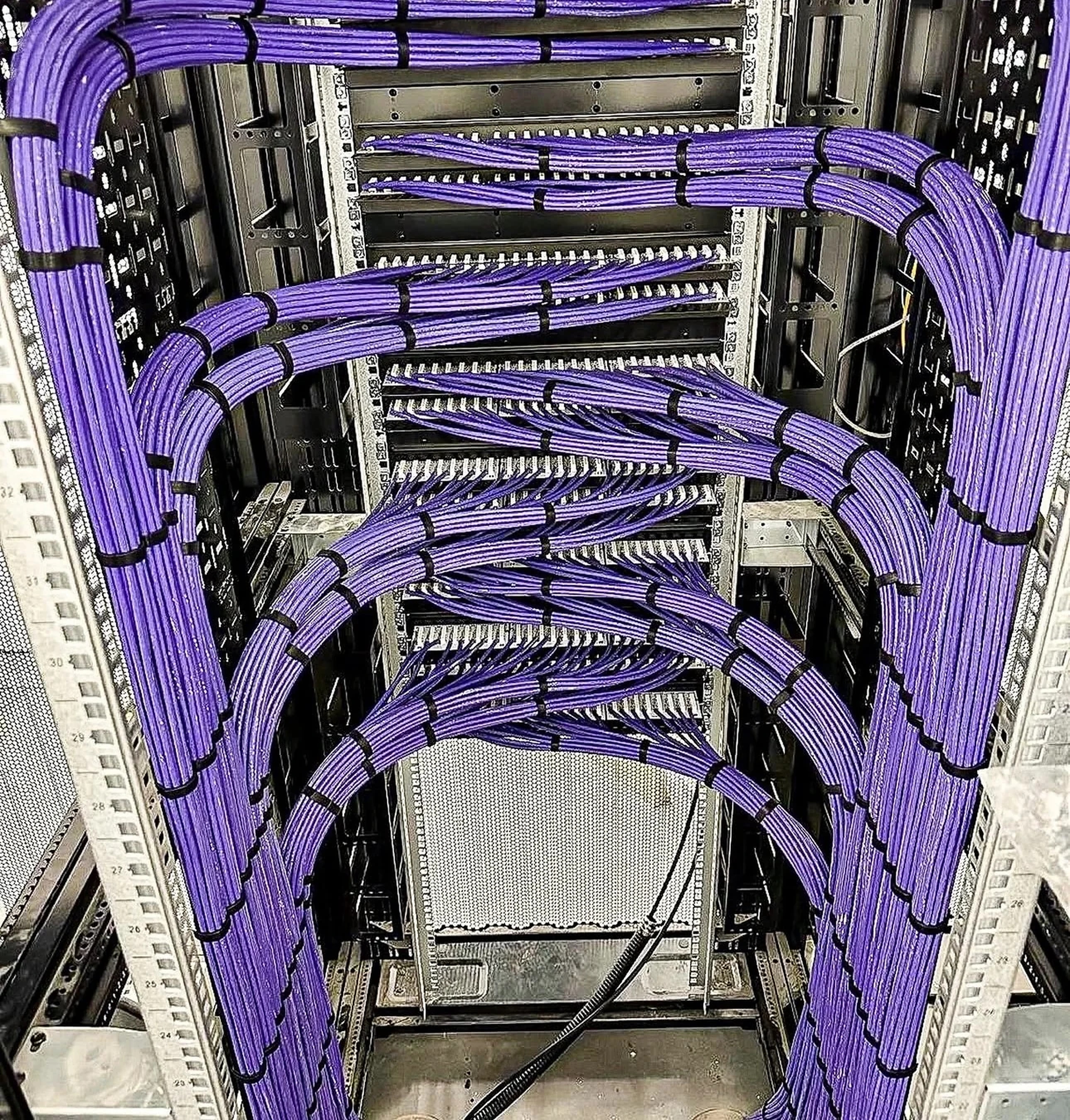
Structured cabling creates an organized, labeled, and testable physical network for data, Wi-Fi, cameras, voice, AV, access control, and connected building systems.
Reliable cabling begins with pathways, distance, cable category, bend radius, separation, support, fire stopping, termination, labeling, rack design, and testing. A cable that merely passes traffic is not the same as a documented infrastructure system.
Valence Connected scopes new construction, renovations, additions, relocations, and cleanup projects. Cabling is planned around current devices and future serviceability, with coordination for ceilings, walls, conduit, furniture, equipment rooms, and participating trades.
The final design is based on the property, existing infrastructure, equipment requirements, and project goals.
Workstations, phones, printers, Wi-Fi, conference rooms, security, and equipment-room connectivity.
Point-of-sale, menu boards, guest Wi-Fi, cameras, audio, access control, and back-office systems.
Reliable connections for wireless access points, televisions, offices, cameras, automation, and media systems.
Prewire, rough-in, trim-out, rack build, testing, and coordination with project schedules.
Identify device locations, outlet counts, equipment rooms, pathways, distances, and future capacity.
Define cable category, supports, terminations, rack components, labels, testing, and documentation.
Pull, support, dress, terminate, label, protect, and organize the approved cabling.
Verify connections using the test method defined in the scope and correct identified faults.
Both support modern Ethernet applications, while Cat6A is designed for higher-performance operation over the full channel distance and has different size, pathway, termination, and cost considerations. Selection should reflect the actual network and building plan.
Wired connections can provide predictable capacity, lower latency, device power, and a stable backbone for wireless access points, cameras, AV, workstations, and building systems.
Professional infrastructure should use a consistent labeling scheme and a testing level appropriate to the project. The required test method and documentation should be defined before quoting.
Existing cabling, patch panels, racks, equipment, labeling, and pathways can be assessed. Some systems can be reorganized; damaged, undocumented, obsolete, or noncompliant work may require replacement.
Choose based on the required performance, run length, environment, and equipment. The complete installed link—including terminations and connected devices—needs to support the intended use.
Cabling can provide connections for access points, but wireless design, equipment, configuration, and coverage checks are separate unless expressly included in the scope.
Share a layout, required outlet and device locations, approximate cable routes, existing rack photos, access constraints, and any labeling or test-documentation requirements.