Start with the routine
List a few useful actions such as an evening lighting scene, a departure routine, or coordinated entertainment control.
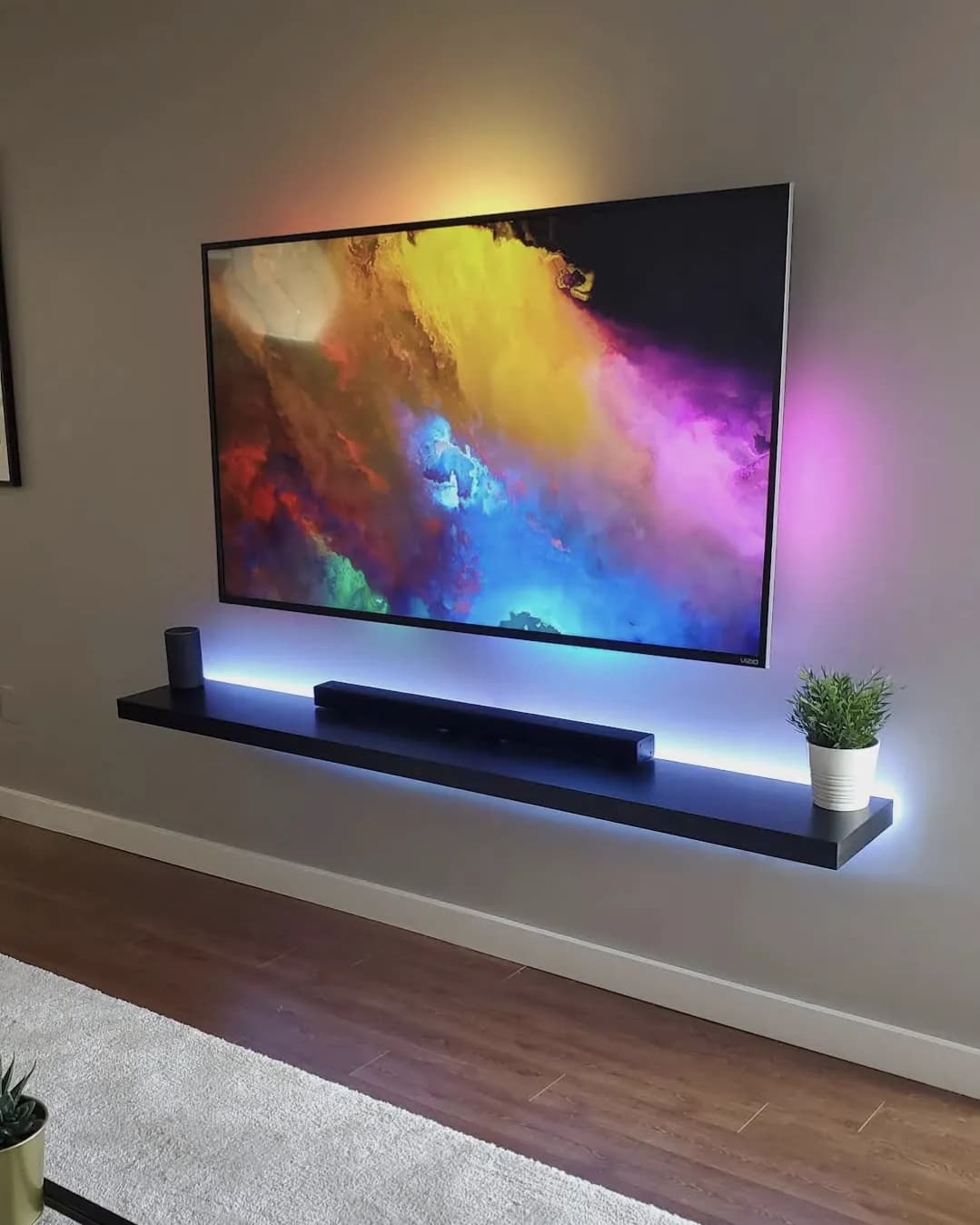
Smart-home automation coordinates lighting, climate, shades, access, entertainment, and daily routines through controls people can understand and use.
A collection of smart products does not automatically create an integrated home. Reliable automation depends on network design, device compatibility, power, wiring, account ownership, control methods, scenes, user permissions, updates, and a recovery plan.
Valence Connected starts with the activities the home should support. The system can then be designed around useful controls such as keypads, touchscreens, mobile apps, voice, schedules, sensors, and coordinated scenes.
The final design is based on the property, existing infrastructure, equipment requirements, and project goals.
Arrival, departure, morning, evening, bedtime, vacation, and energy-aware scenes.
Lighting, shades, television, audio, and room controls coordinated for media and gatherings.
Climate, occupancy, schedules, shades, and lighting configured around how spaces are used.
Locks, doors, cameras, alerts, and selected security functions brought into a clear user experience.
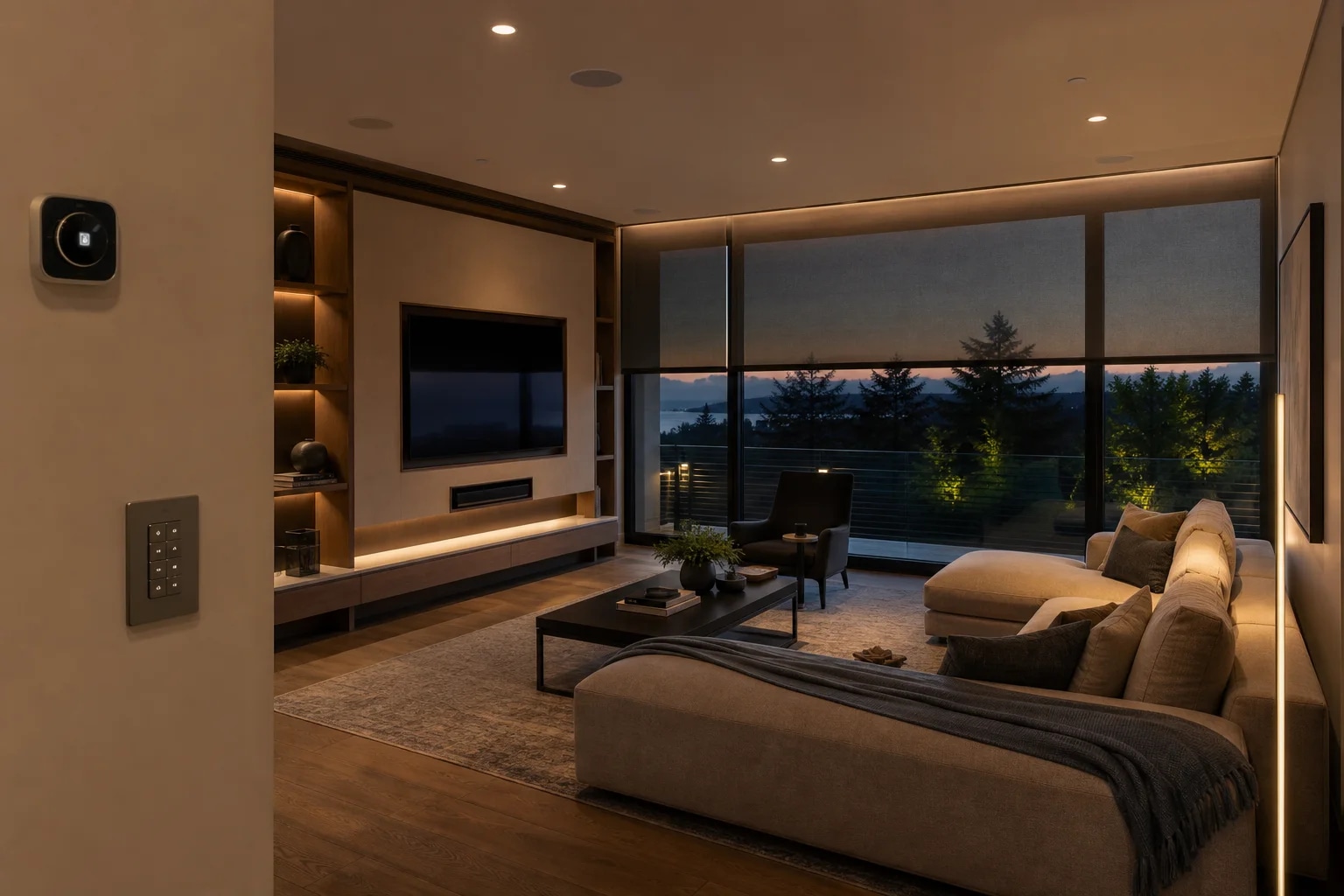
Identify routines, frustrations, preferred controls, rooms, systems, and future expectations.
Define the platform, network, devices, wiring, controls, scenes, accounts, and participating trades.
Install approved components and program useful room controls, schedules, scenes, and permissions.
Test the system, document essential ownership information, and walk users through everyday operation.
A smart device may offer its own app or remote control. Home automation coordinates multiple devices and systems through shared controls, scenes, schedules, sensors, and defined behaviors.
Some existing products can be reused when their communication standards, accounts, APIs, condition, and selected automation platform are compatible. Compatibility should be confirmed before the design is finalized.
Some systems retain local controls and automation during an internet outage, while cloud-dependent features may stop. This behavior varies and should be considered during platform selection.
That should be a design objective. Wall keypads, clearly named scenes, touchscreens, remotes, and thoughtfully organized apps can reduce dependence on complicated individual-device controls.
Share their exact models and platforms. Supported integration depends on the devices, controller, firmware, accounts, and functions; compatibility must be checked before confirming the scope.
Behavior depends on the selected system. Some functions can run locally while cloud features need connectivity. Required offline and manual operation should be agreed during planning.
List the rooms, existing devices, preferred control methods, and routines you want. Photos and model numbers help identify compatibility, wiring, and network requirements.