Choose how people enter
Decide which users need keys, cards, PINs, mobile credentials, visitor entry, or scheduled permissions.

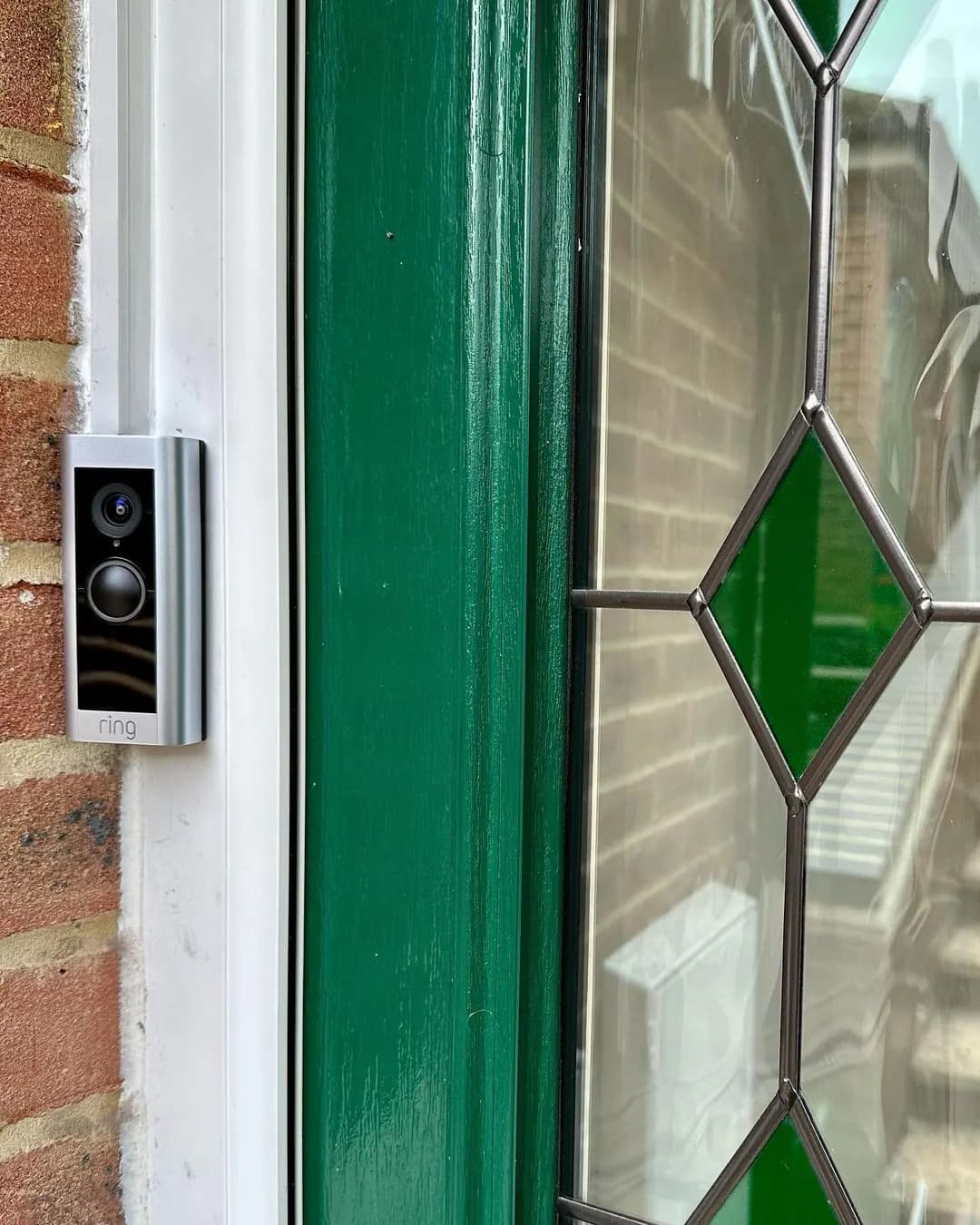
Access control replaces unmanaged keys with defined credentials, permissions, schedules, door hardware, and activity records designed around how the property operates.
A complete access-control project connects the credential reader, locking hardware, request-to-exit devices, door position monitoring, power, controller, network, software, life-safety requirements, and user-management process.
Valence Connected coordinates the technology scope and identifies where locksmith, door, electrical, fire-alarm, or other licensed trades may need to participate. The final system should be secure, understandable, documented, and supportable.
The final design is based on the property, existing infrastructure, equipment requirements, and project goals.
Employee, visitor, suite, server-room, storage, and after-hours access management.
Back-office, inventory, receiving, staff, and restricted-area control.
Common-entry, management, maintenance, amenity, and tenant access workflows.
Gate, garage, entry, service-provider, and temporary visitor access where appropriate.
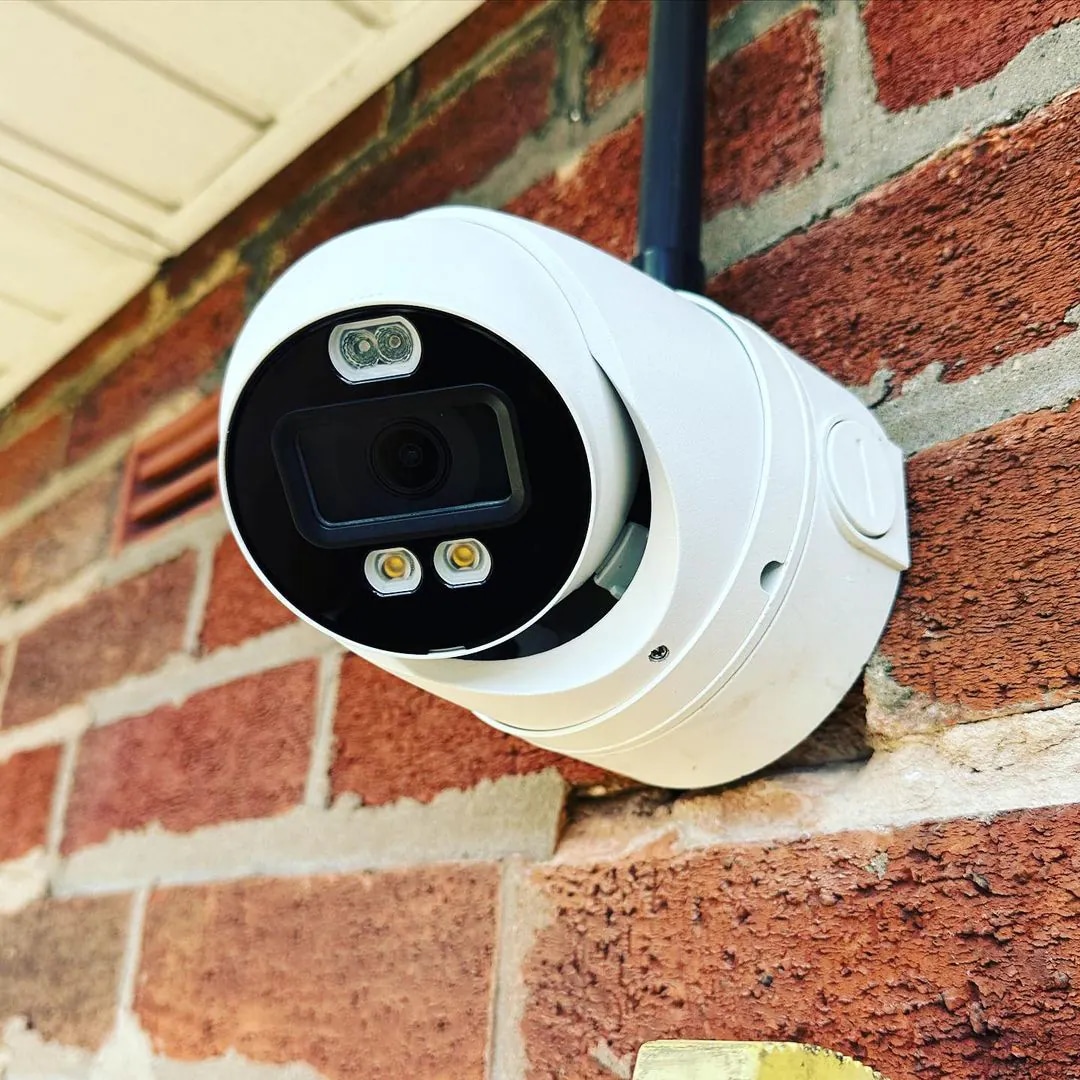
Document doors, users, schedules, credential types, events, and administrative responsibilities.
Review door hardware, power, pathways, network, fire and egress considerations, and participating trades.
Install and connect approved system components, organize controllers, and configure the management platform.
Test credentials, schedules, door states, exits, alerts, permissions, and administrator procedures.
Systems may support cards, fobs, keypads, mobile credentials, biometric devices, or combinations of methods. Selection depends on security, convenience, administration, and applicable requirements.
Many systems can associate door events with video, visitor calls, alerts, and remote release. Compatibility and the desired operating workflow should be defined before equipment selection.
Door construction, frames, existing hardware, egress, accessibility, fire rating, power transfer, and code requirements determine what modifications and participating trades are needed.
A central benefit is the ability to deactivate managed credentials. The exact response time and audit capability depend on system connectivity and architecture.
Often it can be assessed for retrofit, but compatibility depends on the door, frame, lock, power, and exit requirements. Photos and hardware details are needed before a method is confirmed.
Choose around user numbers, visitor access, credential management, and the supported hardware. Shared codes, individual cards, and mobile credentials have different administration requirements.
The quote depends on the doors, compatible locking hardware, readers, controllers, cabling, power, setup, and required integration. The approved scope should also identify any door preparation or other work needed.