Choose the views before the count
Mark entrances, walkways, parking, and other priority areas. Identify where a broad overview is enough and where useful identifying detail is needed.
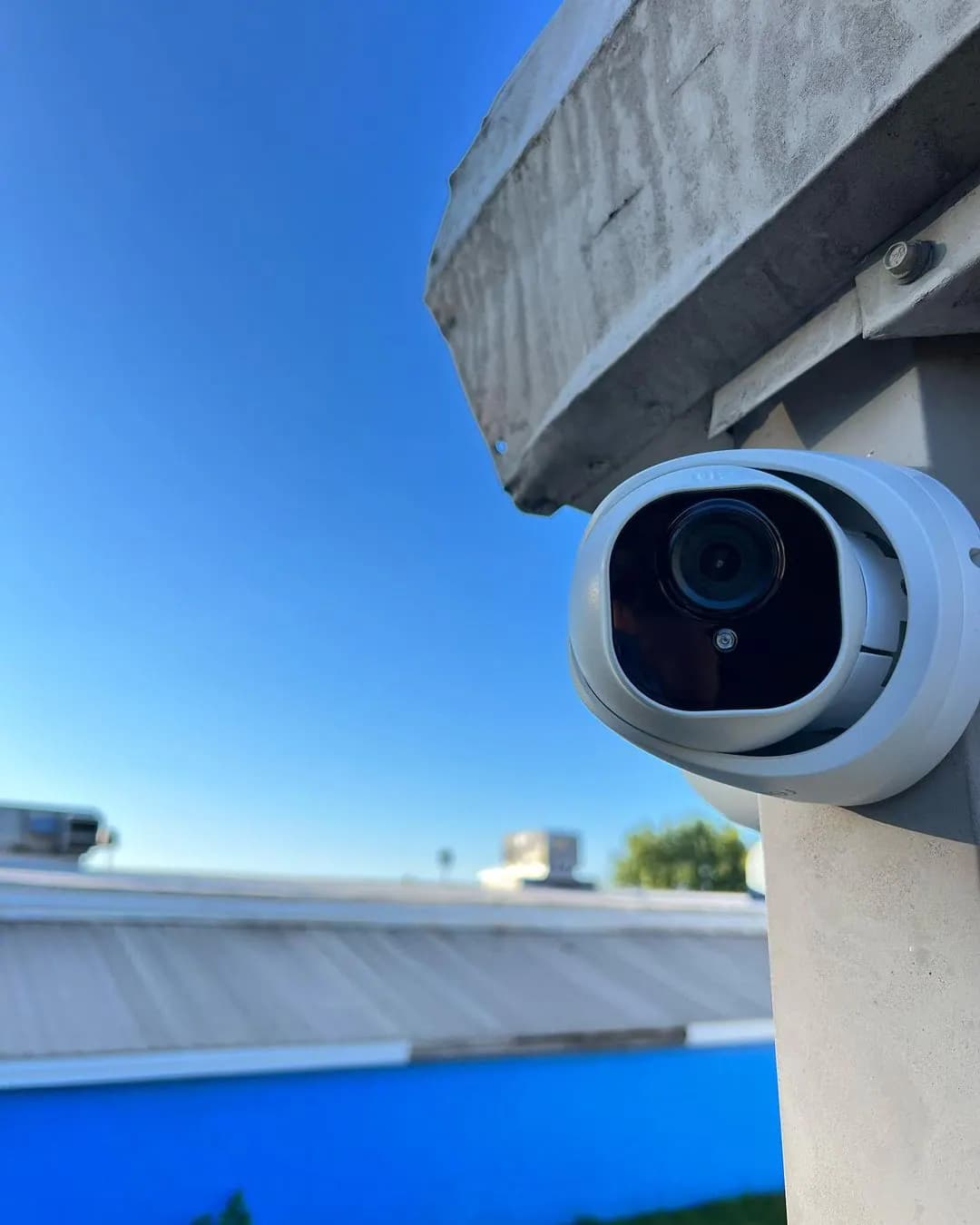
A video surveillance system should provide useful coverage, dependable recording, secure remote access, and clear evidence without creating avoidable blind spots.
Camera count alone does not determine system quality. Viewing angle, mounting height, lens selection, lighting, night conditions, entry paths, network bandwidth, recording retention, power, weather exposure, and privacy all affect the result.
Valence Connected scopes camera systems as part of the property infrastructure. Cameras, network switches, cabling, recording equipment, remote access, alerts, and user permissions are coordinated into one supportable system.
The final design is based on the property, existing infrastructure, equipment requirements, and project goals.
Entry, driveway, yard, garage, perimeter, and interior common-area coverage.
Entry, transaction, customer-area, receiving, inventory, and exterior monitoring.
Perimeter, lobby, corridor, restricted-area, parking, and operational visibility.
Consistent camera, recording, user-access, and documentation standards across locations.
Identify important areas, likely movement paths, lighting issues, obstructions, and recording goals.
Select coverage, camera types, pathways, network capacity, storage, and access requirements.
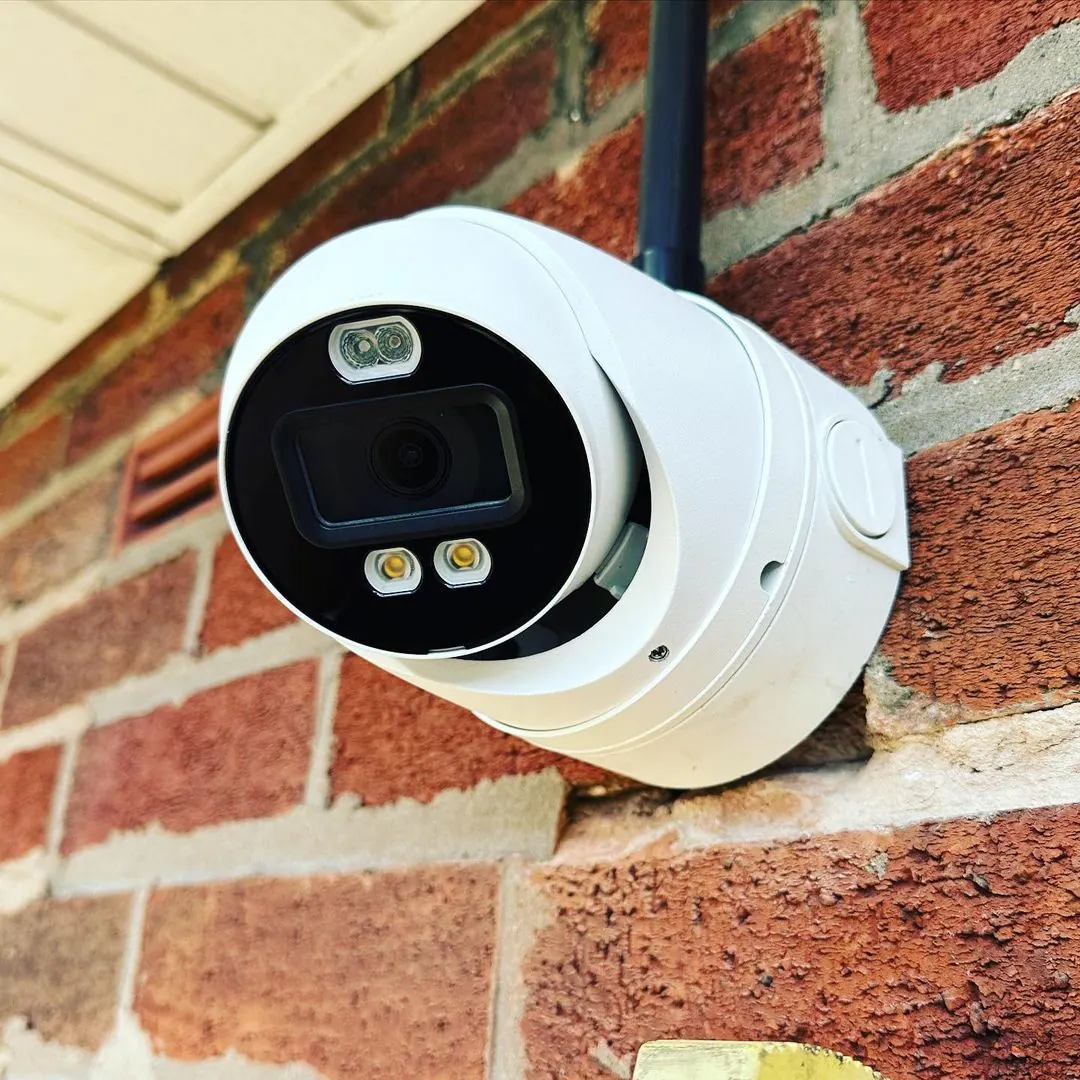
Mount, cable, terminate, connect, weather-seal, label, and organize the surveillance system.
Check views by day and night, recording, playback, alerts, remote access, and user permissions.
IP cameras communicate over a network and commonly support higher resolution, analytics, and flexible management. Traditional coax-based systems may remain practical in some existing installations. The correct choice depends on infrastructure and requirements.
Retention depends on camera count, resolution, frame rate, recording schedule, compression, activity, and available storage. Storage should be sized around an actual retention goal.
Many systems support secure mobile or browser viewing. Remote access should be configured with appropriate accounts, permissions, updates, network security, and recovery procedures.
Local recording can often continue without internet access, while remote viewing, cloud services, and off-site alerts typically require connectivity. The exact behavior depends on the selected system.
Count the views that matter rather than using a fixed number per building. Entrances, traffic paths, parking, and specific assets may require separate views. A layout and photos help establish the appropriate camera count.
There is no universal number. Retention depends on the cameras, stream settings, recording mode, compression, and usable storage. The system should be sized around your target retention period.
The quote should identify equipment supplied, mounting, cable runs, power and network requirements, recording and remote-access setup, testing, and exclusions. Equipment-only purchases include installation only when the listing expressly says so.